Health & Safety Policy for Commercial Waste Removal Regents Park
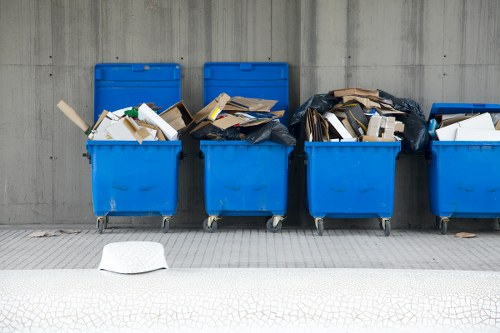 This Health and Safety Policy sets out the standards and procedures that govern safe operation of our commercial waste services across our service area, including rubbish collection for businesses and commercial rubbish removal operations. The policy applies to all employees, contractors and subcontractors engaged in commercial waste removal in the region. It is designed to prevent injury, control risks and ensure compliant, reliable service delivery by a professional rubbish company.
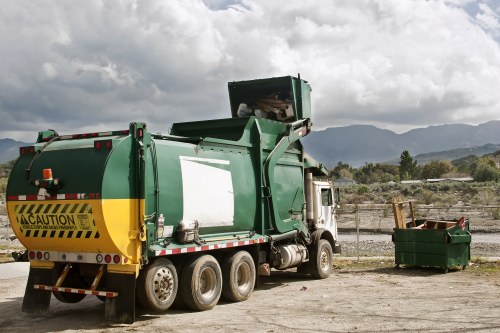 The policy covers responsibilities, risk assessment, training, personal protective equipment (PPE), vehicle safety, loading and unloading, segregation of waste streams and incident reporting. It aligns with industry best practice for commercial waste disposal and commercial waste collection services without relying on jurisdiction-specific legal interpretation. Our expectation is that everyone involved in the rubbish collection process follows these rules and maintains high standards of safety and environmental stewardship.
 Scope: This policy applies to all commercial waste removal operations, including scheduled business clearances, skip and bin collections, ad-hoc commercial rubbish pickups and transport to licensed facilities. It includes activities at customer premises, on public highways where permitted, and during transit. The scope also covers handling of general commercial waste, segregated recyclables and non-hazardous construction debris commonly handled by a rubbish company service team.
Responsibilities and Roles
Management must provide leadership and resources to enforce the policy, carry out risk assessments and ensure all staff are competent. Supervisors are responsible for daily checks, safe work method statements and monitoring. Employees and operatives must follow safe systems of work, wear required PPE and report hazards or near misses immediately. Everyone on site shares accountability for safety.
Key duties include maintaining vehicle and equipment safety, ensuring proper waste segregation at source, using secure load restraints, and confirming access and egress routes are safe before commencing any removal activity. Strong communication between site staff and drivers reduces manual handling risks and potential collisions during collections.
Risk Assessment and Control Measures
 Before any job, a documented risk assessment must be completed to identify hazards such as manual handling exposures, unstable loads, sharps or contaminated materials, traffic interaction and potential falls. Control measures include mechanical aids for lifting, two-person lifts for bulky items, container lids kept closed, and clear segregation of recyclable and non-recyclable streams. Where hazardous or unknown materials are present, the job must be paused and escalated for specialist handling.
Personal Protective Equipment (PPE) must be provided and used where identified in assessments. Mandatory items for field teams typically include hi‑vis clothing, safety boots, gloves appropriate to the waste type, eye protection and, where required, respiratory protection. PPE must be inspected daily and replaced when damaged or worn.
Vehicle safety controls include daily walk-around checks, secure load procedures, vehicle-mounted safety systems, and driver training on safe driving practices specific to rubbish collection. Operators should adhere to safe reversal protocols and use spotters where visibility is restricted to prevent workplace vehicle accidents.
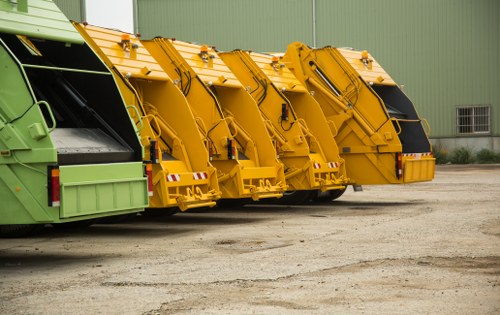 Training and Competence: All staff must receive induction training covering this policy, manual handling, safe use of equipment, traffic management and waste segregation principles. Refresher training must be provided periodically and when processes or equipment change. Competence records should be maintained, and supervisors must confirm that operatives are capable of performing tasks safely before assigning duties.
Emergency procedures include immediate reporting of incidents, stabilising any injured persons, containment of spillage or contamination, and prompt notification to supervisors. All incidents and near misses must be recorded, investigated and lessons disseminated to prevent recurrence. Regular safety meetings and toolbox talks help maintain awareness and continuous improvement in rubbish removal practices.
Monitoring and review are part of the policy lifecycle: regular audits, vehicle inspections, and performance metrics for health and safety should be recorded. Corrective actions from audits must be tracked and closed out. Management will review this policy annually or after a significant incident to ensure it remains effective for commercial waste collection and disposal activities.
Key controls summarised:
- Written risk assessments for every job and task.
- Mandatory PPE and equipment checks.
- Competence-based training and records for all operatives.
- Clear segregation of waste streams to reduce handling risk.
- Vehicle safety systems and secure loading protocols.
By adhering to this policy, our commercial waste removal teams and customers benefit from safer, more efficient rubbish collection and commercial waste services. Safety is not optional; it is integral to every job and every decision. Management encourages proactive reporting and open communication so that the rubbish company maintains a robust, continual improvement approach to workplace health and safety.