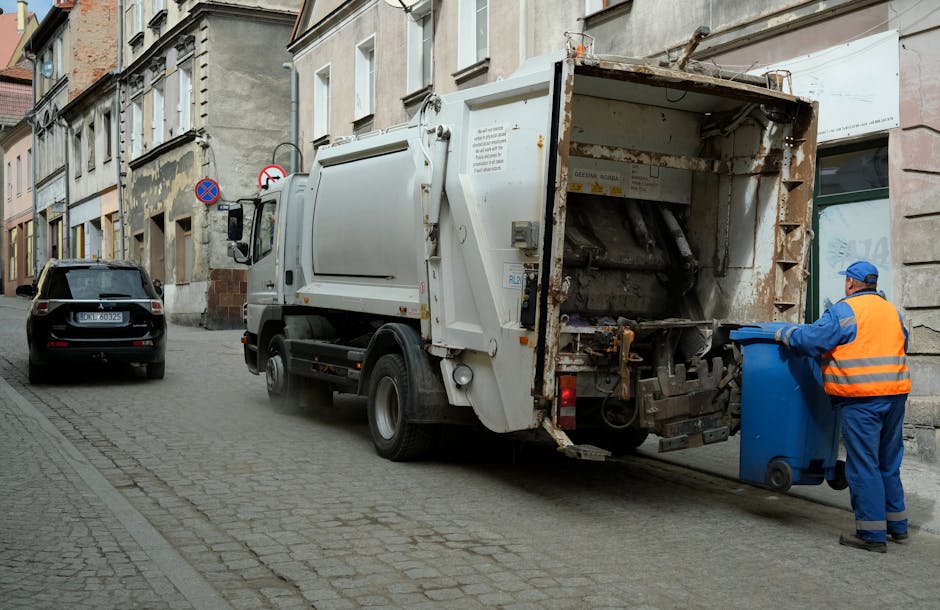
Same day rubbish removal Baker Street NW1 insider tips
If you need rubbish gone today in Baker Street NW1, the pressure is usually not just about clutter. It is the hallway blocked by bags, the flat that has to be handed back clean, the office that cannot keep boxes in the corridor, or a last-minute builder's mess that has to disappear before evening. Same day rubbish removal Baker Street NW1 insider tips are really about making that urgent job feel calm, quick, and predictable. And yes, that is possible more often than people think.
The trick is to understand how same day collection works, what slows it down, and which small choices make a big difference. In this guide, you will get practical, local, no-nonsense advice for booking quickly, preparing properly, avoiding avoidable charges, and choosing the right service for the type of waste you have. A few of the tips are simple, but they save time in the real world. Which, let's face it, is exactly what you need when the van is supposed to arrive before tea time.
Expert takeaway: For urgent rubbish removal, speed comes from preparation as much as availability. If your waste is described accurately, accessible, and ready to load, same day collection becomes much easier to deliver.
Why Same day rubbish removal Baker Street NW1 insider tips Matters
Same-day rubbish removal matters because delay has a habit of making small problems larger. In a busy NW1 setting, rubbish can quickly become a space problem, a hygiene problem, and sometimes even a neighbour problem. A few bags left in the wrong place can block access in a shared stairwell. A sofa waiting in a lobby can become an awkward issue with a managing agent. A pile of renovation offcuts can turn a neat project into a messy one.
The Baker Street area also has the usual London realities: tight parking, limited loading space, shared entrances, time pressure, and people who are often trying to work around other people's schedules. That is why a "same day" job is not just about speed. It is about coordination.
Another thing people underestimate is the emotional side. When a room is cluttered, your brain notices it. The room feels unfinished. You feel behind. Clearing that waste, especially on the same day, can genuinely reset the mood of a property. That sounds a bit dramatic maybe, but it is true. A cleared space feels lighter. Quieter, even.
For larger or mixed waste loads, it can also help to know which service fits the job before you book. For example, if you are dealing with an end-of-tenancy pile-up, a flat clearance may make more sense than a general collection. If it is a broader property clearance, home clearance or house clearance may be the better route. Matching the job to the service is one of the easiest insider tips there is.
How Same day rubbish removal Baker Street NW1 insider tips Works
At a practical level, same day rubbish removal is a fast-response collection arranged for the day you call or request it, subject to availability and the type of waste involved. The process is usually straightforward, but there are a few moving parts.
- You describe the waste clearly. That means what it is, roughly how much there is, where it is located, and whether anything is awkward to move.
- You receive a price or estimate. For many jobs, the key is clarity: mixed waste, access issues, heavy items, and special handling all affect what happens next.
- A team is scheduled. If the route and load fit the day, a same-day slot can often be arranged. Urgent jobs tend to be handled more efficiently when the access details are complete.
- The load is collected and sorted. The team removes the items, then separates reusable, recyclable, and residual waste where appropriate.
- Waste is taken for proper processing. Good operators follow responsible disposal and recycling practices, rather than just dumping everything into one stream.
In real life, the process gets smoother if you remove the guesswork. Tell the provider if the waste is up three flights of stairs, if there is no lift, if parking is tight, or if the items are heavy and awkward. A chest of drawers is one thing. A water-damaged wardrobe with a mirror panel attached is another. Not every job is the same, and that is fine.
If the waste includes appliances or bulky household items, it can help to check the relevant page before booking. A dedicated fridge and appliance removal service is often more suitable for fridges, washing machines, and similar items than a general bulky collection. The same goes for bulky soft furnishings, where mattress and sofa disposal can be the more practical option.
Key Benefits and Practical Advantages
Same day rubbish removal is popular for a reason. When it is done well, it saves time, reduces stress, and keeps a property usable. But the benefits are not just about convenience.
- Fast recovery of space. You get rooms, hallways, or work areas back in use quickly.
- Reduced disruption. Instead of waiting days for a slot, you can move on with your day.
- Better for last-minute deadlines. End-of-tenancy changes, viewings, trades, and office moves often leave no room for delay.
- Less DIY lifting. Heavy or awkward items can be taken away without you wrestling with them down stairs.
- More controlled disposal. A proper service should handle sorting and onward processing responsibly.
- Cleaner finish. It is easier to leave a property in a presentable state when waste is removed in one go.
There is also a quiet financial advantage. When waste is removed promptly, you are less likely to lose time waiting around, rescheduling other trades, or extending a temporary storage arrangement. In an expensive part of London, time is money. Everyone knows that, but it becomes very real when a decorator is waiting outside and the rubbish is still there.
If you are comparing urgent collection against other disposal methods, take a look at the general waste removal option too. Sometimes the best answer is not the most dramatic one; it is just the most suitable.
Who This Is For and When It Makes Sense
Same day rubbish removal is not just for emergencies. It suits a wide range of situations, especially when timing matters more than anything else.
- Tenants and landlords who need a flat cleared before check-out or check-in.
- Homeowners dealing with clutter after a clear-out, delivery, or DIY project.
- Builders and tradespeople who need rubble, packaging, or offcuts removed quickly.
- Offices and small businesses clearing old desks, chairs, or archive waste before a reset.
- Estate agents and managing agents trying to get a property ready for viewing or turnover.
- People with bulky items that are simply too awkward for council-style kerbside handling.
It makes sense when the space is needed now, when items cannot wait, or when a property must be left tidy by the end of the day. It also makes sense if you are dealing with mixed rubbish and do not want to split it into multiple trips. For example, a pile containing furniture, cardboard, old bits of timber, and bagged junk is usually easier to handle as one organised clearance than four separate jobs.
For commercial loads, it may be worth comparing with business waste removal or office clearance. Same-day service can work for both, but the best fit depends on the type and volume of waste. Truth be told, choosing the wrong service is one of the easiest ways to create delays.
Step-by-Step Guidance
If you want the fastest possible collection, a simple process works better than a vague one. Here is the clearest way to handle it.
1. Identify exactly what needs to go
Walk through the area and separate waste into rough groups: general rubbish, furniture, appliances, builder's waste, garden waste, and anything that may need special handling. You do not need to be perfect, but you do need to be accurate enough for the provider to plan safely.
2. Estimate the amount honestly
Is it a few bags, a half-full room, or a larger clearance? A good estimate helps avoid awkward surprises on arrival. A van team can move quickly when they know the likely load size. Guessing too low, on the other hand, can leave you with unfinished work and another round of scheduling.
3. Check access before you book
Look at the route from the waste to the loading point. Stairs, tight turns, restricted parking, intercoms, service lifts, and building rules all matter. If access is awkward, say so. It helps the crew plan properly and reduces the chance of delays when they arrive.
4. Separate anything restricted or hazardous
Some materials need different handling. If you have chemicals, paints, or other problematic items, do not hide them in the middle of a pile and hope for the best. That never ends well. In many cases, specialist handling is needed, so flag it early. For uncertain items, a dedicated hazardous waste disposal page is the safer place to start.
5. Prepare the waste for collection
Where possible, bag loose waste, tape sharp edges, drain anything wet, and make items easy to lift. If you can stack waste neatly in one place without blocking exits, even better. The crew can work faster when they are not navigating a maze of half-open boxes and loose packaging.
6. Confirm timing and payment details
Before the slot is fixed, check how the booking, quote, and payment process work. If you want a clearer picture first, review the pricing and quotes information and make sure the terms feel straightforward. A few minutes of admin can save a lot of back-and-forth later.
7. Make the collection area accessible
Move cars if needed, unlock gates, and let neighbours or building staff know if there will be a short period of loading activity. That small bit of preparation can shave time off the job, which matters when you want same-day completion.
Expert Tips for Better Results
Here is where the real insider tips live. These are the little things that often make the difference between a smooth same-day job and a slightly frazzled one.
- Send photos early. If the provider accepts images, take clear shots of the whole pile and one close-up shot of the awkward items.
- Group similar items together. Keep furniture with furniture, bags with bags, and rubble with rubble. It sounds basic. It works.
- Keep one path clear. A clear route from waste to vehicle speeds up loading and reduces the risk of damage.
- Be honest about weight. A small-looking item can be very heavy. Solid wood, wet waste, and masonry all add effort.
- Move valuables out of the way first. It avoids confusion and keeps the collection area tidy.
- Ask about recycling. A responsible provider should explain how recyclable material is handled, especially if you are clearing mixed loads.
- Book earlier in the day if possible. Same-day slots are easier to fit before the schedule gets crowded.
If your waste is mainly leftover fit-out or demolition material, look at builders waste clearance. That can be the right route for timber, plasterboard, packaging, and light rubble from renovation work. If you are clearing soft furnishings, then furniture clearance may suit better. Matching the waste stream to the service usually means fewer hiccups. Simple, but important.
One more thing: do not wait until the last bag is tied before you call. In many urgent jobs, the best outcome comes from booking while the clear-out is still in motion. That gives the team a chance to fit around your schedule, not the other way round.
Common Mistakes to Avoid
Same-day collection is flexible, but it still needs the basics done properly. A few common mistakes slow everything down.
- Underestimating the volume. That tiny pile in the corner suddenly becomes three loads once moved.
- Mixing hazardous items with general waste. This creates compliance problems and can delay collection.
- Leaving access unclear. If the crew cannot park or reach the waste easily, the job takes longer.
- Assuming every item is handled the same way. A mattress, a fridge, and a bag of paper do not belong in the same mental box.
- Booking too late in the day. Same-day demand changes quickly, so earlier contact usually works better.
- Not checking what is included. Ask how loading, labour, and disposal are handled before the team arrives.
Another mistake is trying to do too much yourself. You do not need to drag everything to the kerb if that creates a hazard or blocks the entrance. Sometimes people think they are helping, but they are really just making the move harder. A tidy staging area indoors or just inside the door can be more useful than a heroic last-minute shuffle.
If you are unsure what should be separated out, the guidance on what can go in a skip can help you think through common waste types, even if you are booking a direct collection rather than a skip. It is a useful reference point for sorting, which is half the battle.
Tools, Resources and Recommendations
You do not need special equipment for most same-day rubbish removal jobs, but a few basic tools make preparation easier.
| Useful item | Why it helps | Best use |
|---|---|---|
| Heavy-duty bags | Contain loose waste neatly | General rubbish, small clear-outs |
| Marker pen | Label mixed items or "keep" boxes | Flat clearances and office moves |
| Sturdy tape | Secures lids, edges, and bundles | Cardboard, small fittings, awkward packages |
| Gloves | Protects hands while sorting | Lofts, garages, gardens, and dusty spaces |
| Dolly or sack truck | Reduces lifting strain | Heavy boxes or repeated trips |
From a service-planning point of view, a few pages are especially useful. If you are clearing a property before sale or handover, flat clearance, home clearance, or house clearance may be the easiest fit. If your waste is mainly hard, bulky, or work-related, then waste removal remains the broad all-round option.
For business owners, keep an eye on the office side too. Office clearance is especially helpful when desks, monitors, storage units, or archive waste must be removed without disrupting the workday. Small bit of practical advice: if staff still need to work around the load, clear the exit route first. That makes everything less awkward.
Law, Compliance, Standards and Best Practice
Any rubbish removal job in the UK should be handled with proper care, especially when waste is mixed, bulky, or potentially sensitive. You do not need to become an expert in waste law to book a collection, but it helps to know the basics.
First, waste should be passed to a responsible operator who handles disposal lawfully. That matters because once waste leaves your property, it should not simply vanish into thin air. A trustworthy provider should have processes for recycling, transfer, and lawful disposal. If you are unsure how that is handled, ask directly. Clear answers are a good sign.
Second, hazardous or specialist waste should not be mixed into general rubbish unless the provider has said it is acceptable. Items like chemicals, some electricals, and contaminated materials may need separate treatment. If in doubt, ask before collection. A short conversation can prevent a bigger problem later.
Third, in shared buildings and commercial premises, there may be management rules about access, loading times, noise, and waste storage. These are not always formal legal rules, but they still matter in practice. If you are in a managed block near Baker Street, it is worth checking with the building contact before the van arrives. Saves awkwardness.
Finally, it is good practice to use a provider with clear policies on health and safety, insurance and safety, recycling and sustainability, and payment and security. Those pages are not just formalities. They help you understand how the work is carried out and how your booking is managed. Good housekeeping, really.
Options, Methods, or Comparison Table
Choosing the right rubbish removal method is often a judgement call. The best option depends on time, access, waste type, and how much lifting you want to do yourself.
| Method | Best for | Pros | Trade-offs |
|---|---|---|---|
| Same day rubbish removal | Urgent clear-outs, mixed waste, last-minute jobs | Fast, flexible, minimal waiting | Subject to availability, access details matter |
| Pre-booked collection | Planned jobs with flexible timing | Easier scheduling, often more relaxed | Not ideal if you need the waste gone today |
| Specialist item removal | Fridges, sofas, mattresses, appliances | Handled with the right equipment and process | Needs accurate item description |
| Area-specific clearance | Flats, offices, garages, lofts, gardens | Better match to the type of waste and property | Requires choosing the closest fit |
For a small collection of mixed household waste, same-day general collection is often the simplest. For a one-off bulky item, specialist disposal may be better. For a full property reset, a clearance service can save a lot of back-and-forth. If you are unsure, think about what is physically there rather than how you describe it in your head. That sounds obvious, but people often overcomplicate this bit.
Case Study or Real-World Example
Picture a typical Baker Street NW1 situation. A tenant has just been told the end-of-tenancy inventory is happening earlier than expected. There is a broken chair, three bin bags of mixed rubbish, an old mattress, and a few flat-pack boxes that were never flattened properly. The lift is working, but parking is limited, and the hallway is narrow enough to make any extra clutter annoying.
The fastest solution in that kind of situation is not panic-cleaning for an hour. It is sorting the waste into clear groups, moving items near the entrance, and giving a precise description when booking. The mattress is flagged as a bulky item. The chair and bags are listed as general waste. The boxes are folded. Access is explained. The result? The collection can be arranged more efficiently, because nobody turns up wondering what the pile actually contains.
What usually makes the biggest difference is not one dramatic action. It is five small ones: honest description, clear access, tidy staging, early booking, and no hidden surprises. That is the unglamorous truth. But it works.
In some cases, the same approach applies to a small office refresh. A handful of chairs, archived paper, and old storage units can often be handled smoothly if the team knows what to expect. If documents are involved, consider whether confidential shredding is the right add-on before the waste goes out. Once again, the key is making the right decision before everything is already by the door.
Practical Checklist
Use this before your same-day booking. It is simple, but it covers the things that trip people up.
- Confirm exactly what needs to be removed.
- Separate general waste from special items.
- Check for bulky, heavy, or awkward pieces.
- Make sure access routes are clear.
- Note stairs, lifts, parking restrictions, or gates.
- Take photos of the waste if needed.
- Ask about pricing, timing, and what is included.
- Set aside hazardous items for separate advice.
- Fold or bag loose waste where practical.
- Move valuables and personal documents first.
- Keep one clear path to the loading point.
- Have your booking details to hand.
If you want to keep things tidy before collection day, a garage clearance, loft clearance, or garden clearance can help you isolate the right waste stream. That makes the same-day job quicker and less expensive in practical terms. A little prep goes a long way.
Conclusion
Same day rubbish removal Baker Street NW1 insider tips come down to a few simple principles: describe the job clearly, prepare access properly, separate risky items early, and choose the service that matches the waste rather than just the clock. When those parts line up, urgent removal is far less stressful than people expect.
For Baker Street and the surrounding NW1 streets, speed matters, but so does smooth execution. Tight access, shared buildings, and busy schedules all reward good planning. The best collection is usually the one that feels almost boring because everything went right. And honestly, that is a lovely outcome when you have spent the day surrounded by boxes, bags, and one awkwardly heavy chair.
Get a free quote today and see how much you can save.
When the last bag is gone and the space is quiet again, you really do feel the difference. Small win, big relief.
Frequently Asked Questions
Can rubbish really be collected the same day in Baker Street NW1?
Yes, often it can be, subject to availability, the type of waste, and how clearly the job is described. The more accurate the details, the easier it is to fit the collection into the day.
What should I tell the provider when I book?
Tell them what the waste is, how much there is, where it is located, and whether access is difficult. Stairs, parking restrictions, and heavy items are especially important.
Is same day rubbish removal suitable for flats?
Very often, yes. It is especially useful for flats because access, timing, and shared areas can make delays more annoying. A clear description of lift access, stair count, and building rules helps a lot.
What if I have a fridge, mattress, or sofa?
Those items are usually better handled as specialist items rather than mixed in with general rubbish. Pages such as fridge and appliance removal or mattress and sofa disposal are useful starting points.
Do I need to move everything outside first?
No, not usually. That depends on the provider and the property. In many cases, it is better to keep the waste accessible and leave the lifting to the crew, as long as the route is clear.
How can I make the collection faster?
Group similar items together, bag loose rubbish, clear a path, and send photos if asked. Speed comes from preparation more than rushing at the last second.
Can mixed waste be removed on the same day?
Usually yes, provided the mix is described clearly. General rubbish, furniture, cardboard, and light renovation waste are common examples of mixed loads.
What if some of my waste is hazardous?
Say so before the booking is confirmed. Hazardous or specialist waste may need separate handling, and it should not be treated like ordinary rubbish.
Is same day rubbish removal more expensive?
It can be, because urgent work depends on schedule availability and short-notice logistics. That said, the final value often comes from saving time, avoiding rescheduling, and getting the property usable again immediately.
What is the difference between clearance and rubbish removal?
Rubbish removal is usually about taking away waste quickly, while clearance services are often better for bigger jobs such as flats, homes, lofts, offices, garages, or gardens. The right choice depends on the size and type of job.
How do I know which service page to use?
Think about the main waste type and where it is. Flat, house, home, office, loft, garage, garden, builders waste, or furniture removal pages can all fit different situations better than a broad one-size-fits-all choice.
What should I check before paying?
Check what the quote includes, whether labour and disposal are covered, and how payment is handled. It is sensible to review pricing, payment, and terms before confirming.
Can I arrange same day collection for a business property?
Yes, in many cases. Offices, shops, and other business premises often use same-day collection when they need quick turnaround without disrupting work.
What if I am not sure how much waste I have?
Give the best estimate you can and mention that it is approximate. Photos help. If you are unsure, a quick description of the room, item count, and access details is usually enough to start.